Gaetano Morello
Asthma
Asthma is a chronic inflammatory disorder of the airways, characterized by bronchoconstriction (tightening of the airways), swelling of the mucus lining, and excessive mucus production. This leads to difficulty breathing, wheezing, coughing, and shortness of breath. Asthma can be a life-threatening condition, particularly during acute attacks. Warning: If you experience an acute asthma attack, it is a medical emergency. Seek medical attention immediately.
Signs and Symptoms
Asthma is a complex and increasingly prevalent condition that can often be managed effectively with a combination of dietary changes, supplements, and lifestyle modifications. Anti-inflammatory supplements like curcumin, omega-3 fatty acids, and magnesium, along with avoiding common food and environmental triggers, can significantly improve quality of life for those with asthma. Proper medication remains essential during acute attacks, but a holistic approach to asthma management is key to long-term relief and improved lung health.
Asthma can be categorized as extrinsic (allergic) or intrinsic (non-allergic):
Extrinsic asthma
Triggered by allergens like dust, pollen, pet dander, and certain foods, and is marked by elevated IgE levels.
Intrinsic asthma
triggered by factors like cold air, exercise, stress, infection, or chemicals and does not involve an allergic response.
In both cases, asthma is driven by inflammation in the airways, with mast cells (immune cells) releasing histamine and other chemicals that contribute to airway constriction and mucus production.
The rising prevalence of asthma, particularly in children, is often attributed to factors like environmental pollution, poor diet, and changes in early childhood nutrition.
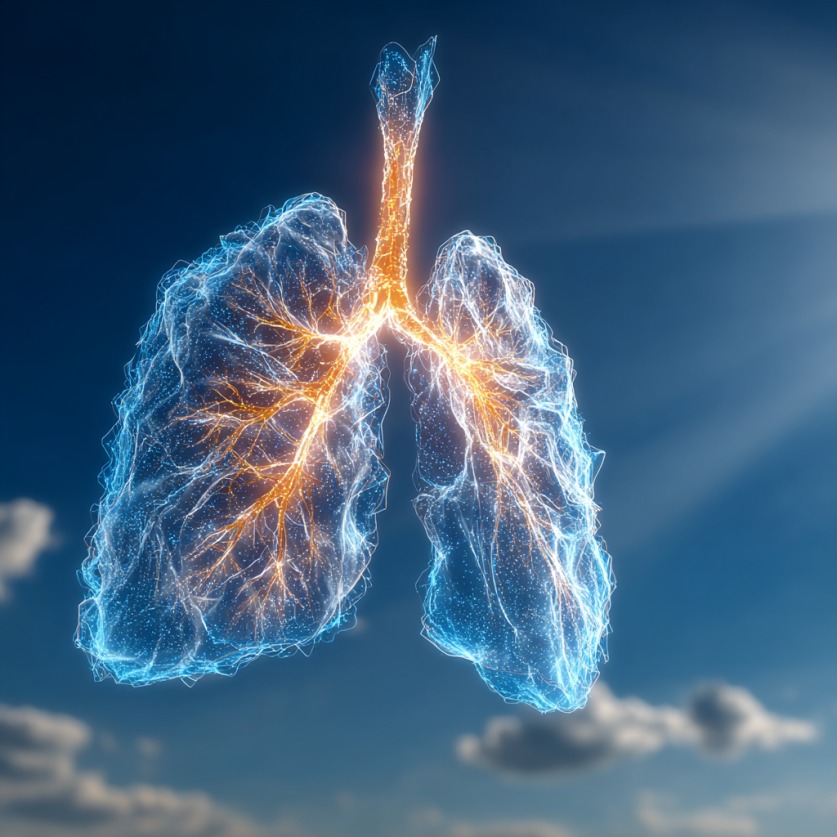
Signs & Symptoms
Asthma symptoms can vary in severity but typically include:
- Shortness of breath
- Wheezing (a high-pitched whistling sound when breathing)
- Persistent coughing, especially at night
- Chest tightness and discomfort
- Excessive mucus production
Laboratory tests may show elevated eosinophils (a type of white blood cell involved in allergic reactions) and IgE (the antibody associated with allergic responses).
Causes of Asthma
Asthma can be categorized as extrinsic (allergic) or intrinsic (non-allergic):
- Extrinsic asthma is triggered by allergens like dust, pollen, pet dander, and certain foods, and is marked by elevated IgE levels.
- Intrinsic asthma is triggered by factors like cold air, exercise, stress, infection, or chemicals and does not involve an allergic response.
In both cases, asthma is driven by inflammation in the airways, with mast cells (immune cells) releasing histamine and other chemicals that contribute to airway constriction and mucus production.
The rising prevalence of asthma, particularly in children, is often attributed to factors like environmental pollution, poor diet, and changes in early childhood nutrition.
Lifestyle and Environmental Considerations
- Weight Management: Being overweight increases the risk of asthma exacerbations. Studies show that losing weight can improve breathing capacity, reduce symptoms, and decrease the need for medication.
- Avoiding Environmental Triggers: Common asthma triggers include pollution, secondhand smoke, dust mites, mold, and pet dander. Reducing exposure to these triggers can help prevent asthma attacks. Air purifiers and allergen-proof bedding are helpful.
- Exercise: While exercise can sometimes trigger asthma symptoms, regular, moderate physical activity can improve lung function over time. It’s important to use a bronchodilator inhaler before exercise if needed.

Other Recommendations
Asthma management involves a combination of lifestyle changes, dietary adjustments, and medical treatments. While proper medication is essential during acute asthma attacks (including inhalers and corticosteroids), natural measures to reduce inflammation, such as curcumin, omega-3s, and magnesium, can provide ongoing support for asthma sufferers.
- Natural Antihistamines: Quercetin, a flavonoid found in foods like apples, onions, and berries, has natural antihistamine properties that may help reduce allergy-related asthma symptoms.
- Breathing Techniques: Practices such as Buteyko breathing and pranayama (yogic breathing) have been shown to help individuals with asthma improve their breathing capacity and reduce symptoms of breathlessness.
Dietary Considerations and Anti-Inflammatory Approaches
Diet plays a crucial role in asthma management. Specific dietary changes can help reduce inflammation and allergy reactions

Suplements for Asthma relief
Several supplements may provide significant relief from asthma symptoms:
- Magnesium: Magnesium helps relax bronchial muscles, making it easier to breathe. Magnesium deficiency has been linked to worse asthma symptoms, and supplementation can help improve lung function.
- Vitamin D: Low levels of vitamin D have been associated with asthma severity. Ensuring adequate vitamin D levels through sunlight, food sources (like fatty fish and fortified foods), or supplementation may help manage asthma.
- Omega-3 Fatty Acids: Omega-3s from fish oil or plant-based sources (like flax seeds and chia) are well known for their anti-inflammatory effects, which may help reduce asthma symptoms.
- Curcumin (Turmeric): As mentioned, curcumin has significant anti-inflammatory properties that can help calm airway inflammation and reduce asthma flare-ups.
- Probiotics: There is emerging evidence suggesting that a healthy gut microbiome may influence asthma. Probiotics, especially those containing Lactobacillus species, may help reduce inflammation and allergic reactions by supporting gut health.
- Anti-inflammatory Foods: Incorporating anti-inflammatory compounds into the diet can significantly help with asthma management. Curcumin, the active compound in turmeric, is a potent anti-inflammatory that has been shown to reduce airway inflammation in asthma. Other anti-inflammatory herbs like ginger and boswellia may also help.
- Vegetarian or Vegan Diets: Long-term elimination of animal products has shown improvements in asthma symptoms. A plant-based diet, rich in antioxidants, fiber, and omega-3 fatty acids, may reduce inflammatory reactions that trigger asthma. Specifically, eliminating arachidonic acid (found in animal products) helps in controlling the production of inflammatory mediators like leukotrienes.
- Antioxidant-Rich Foods: A diet rich in vitamin C, vitamin E, and selenium can support lung function and reduce oxidative stress. Carotenes, especially lycopene (found in tomatoes), are potent antioxidants that have shown benefits in reducing asthma symptoms.
- Elimination Diets: Certain food allergies (like eggs, milk, and nuts) may exacerbate asthma. Conducting an elimination diet with careful monitoring, often under medical supervision, may help identify specific triggers and alleviate symptoms.
- Avoiding Food Additives: Certain food additives like sulfites, found in wine, processed foods, and some medications, can trigger asthma attacks. A clean, whole-food diet free from additives is beneficial.